Jennifer Steen Booher

Seedheads

Seedheads by quercus design
Seedheads, a photo by quercus design on Flickr.

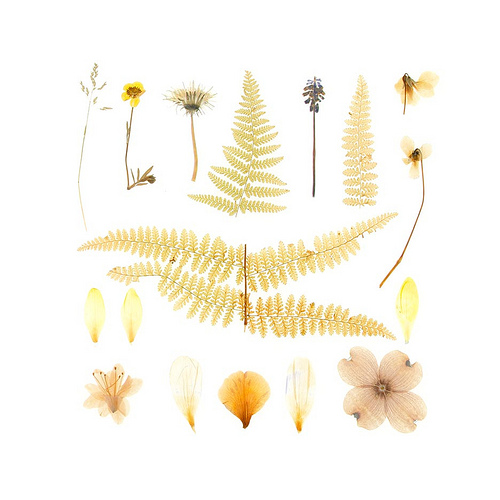
I started weeding the front garden today while waiting for the school bus, and the coolest, lacy poppy seedpod rolled right in front of me. Then I noticed how frilly the empty daylily seedheads have gotten. And then I completely lost interest in weeding and started rooting around looking for more pods. (This minimal attention span would be why my garden looks so unkempt.)

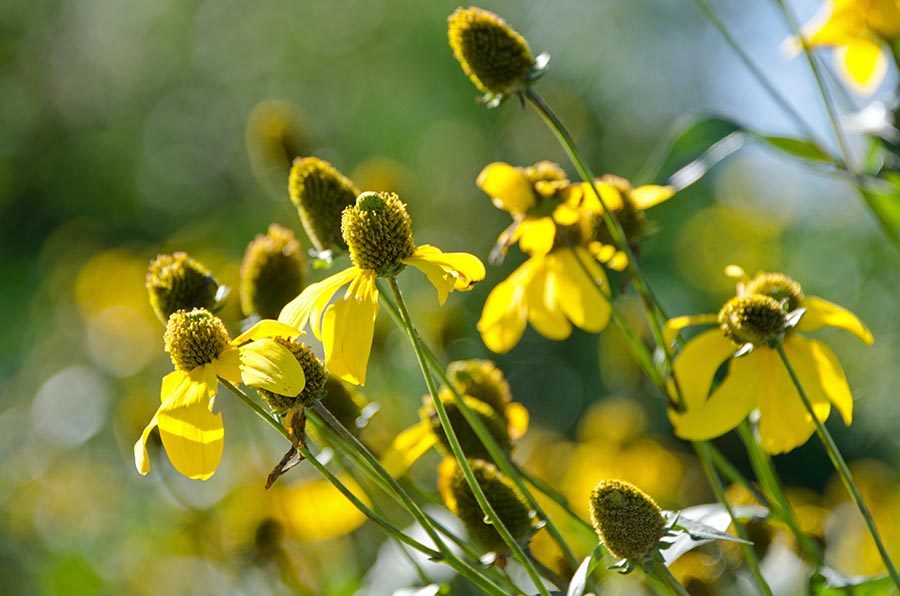
We have here the seed pods of daylilies, bellflower (a wild one that pops up whenever my back is turned, maybe Campanula rapunculoides), coneflower, Allium cristophii, hyssop, veronica, a small poppy, and those really tall yellow pompoms that nobody has heard of that start with ‘c’ Cephalaria.

Share

The Bluffs, October 26, 2011

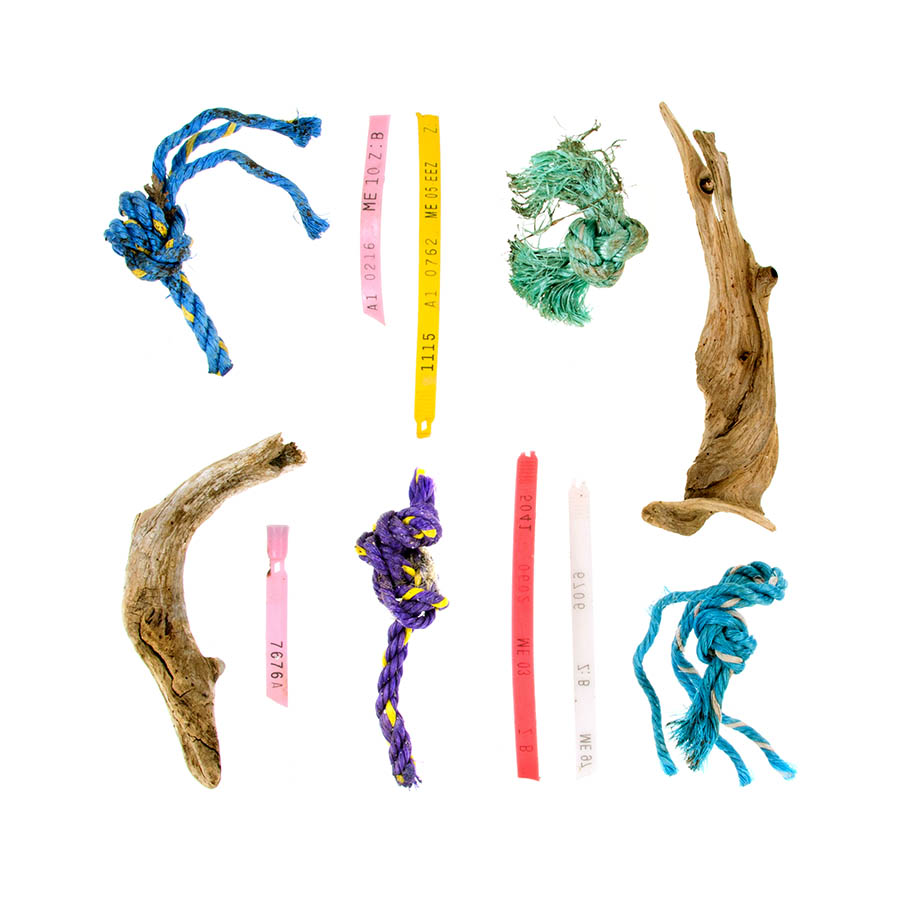
The Bluffs, Bar Harbor, Maine; October 26, 2011 (Beachcombing series No.53)

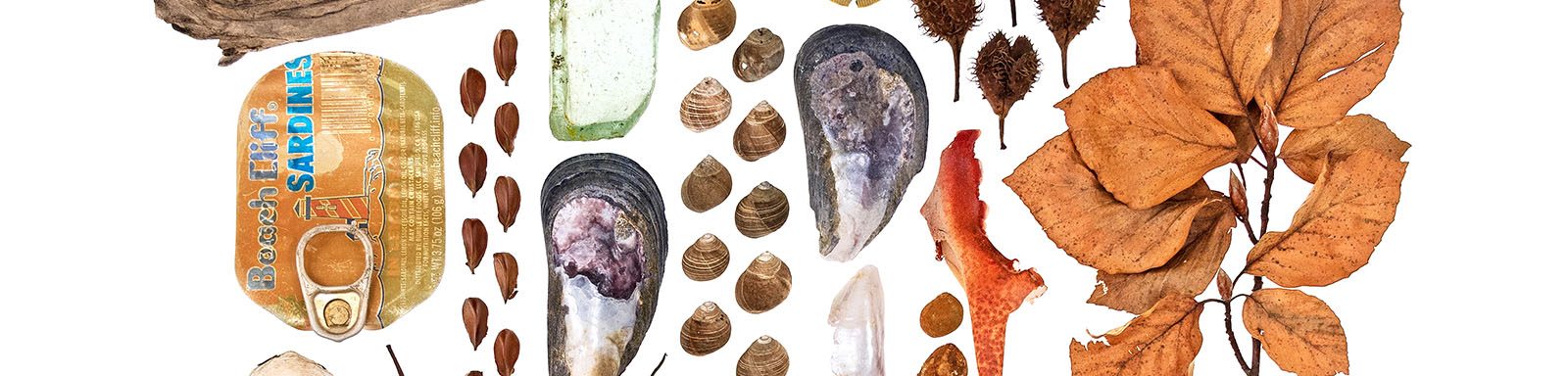
I’ve been drawn to ropes lately. I always pick as many of them off the beach as I can, since a lot of animals can get tangled in them. As you may have noticed, I often incorporate the smaller knots into these photos. But ever since Valley Cove, I’ve been wanting to play with the calligraphic sweep of the larger ropes. I may have to abandon the grid entirely one of these days, and let them go wild. They come in such amazing colors, too, and the algae that grow on them give a wonderful patina to the gaudy shades. 

Ropes & Tags, The Bluffs, Bar Harbor, Maine; October 26, 2011

On this expedition I also found a wider variety of the plastic tags. (I think these were originally attached to lobster traps. If you know for sure, tell me in the comments, please!) 

Share

Rainbow Buttons

Rainbow Buttons by quercus design
Rainbow Buttons, a photo by quercus design on Flickr.

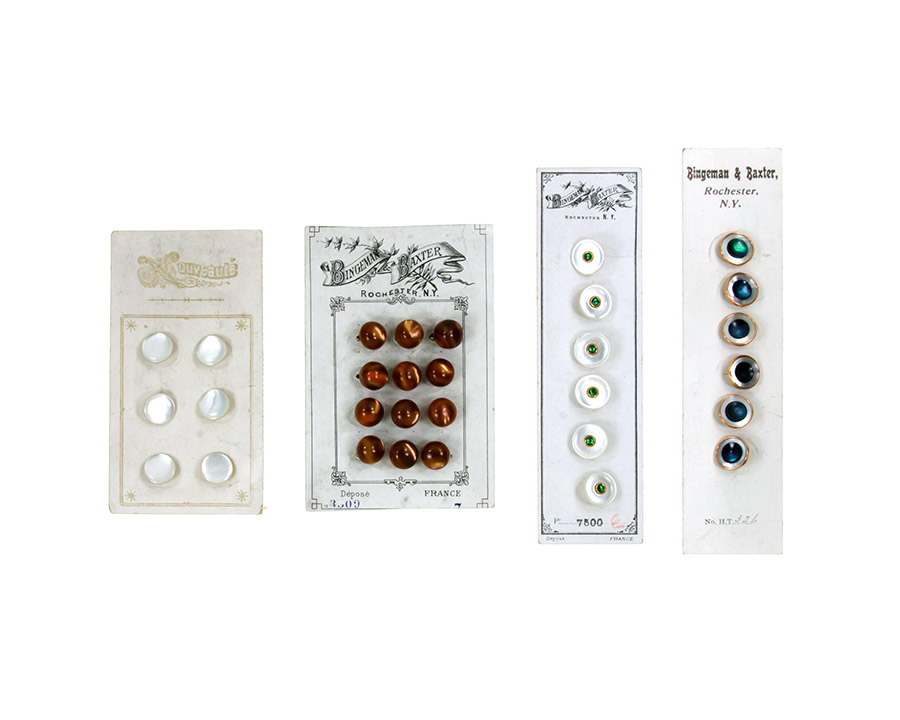
Blustery, wet, snowy rain today – a good day to stay inside and play with buttons! Most of them are vintage. They came from my grandmothers’ sewing boxes. The little green mother-of-pearl one I bought in a market in Soreze, France. And the dark green one with two holes I found on the beach! So this is sort of a beachcombing photo, well-disguised.

These antique cards of buttons came from the tailor shop my husband’s great-grandfather owned in Minneapolis. The brown ones are the most beautifully heavy glass, full of highlights and swirling tones of amber.  They are all so lovely on their cards I can’t bear to take them off for a mere sewing project. I should frame them, but I’ve run out of wall space!

Share

The Searsport House Under a Full Moon, Part 2

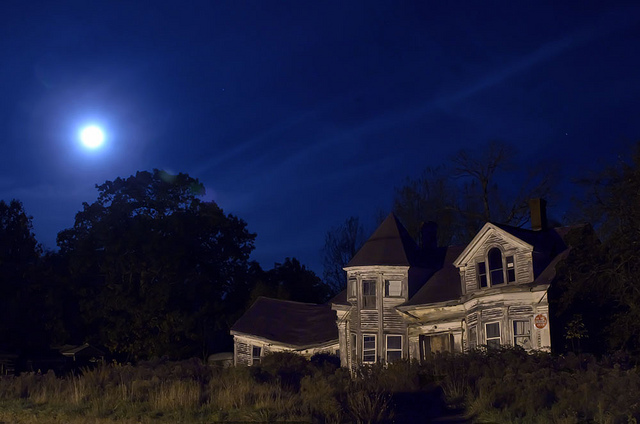
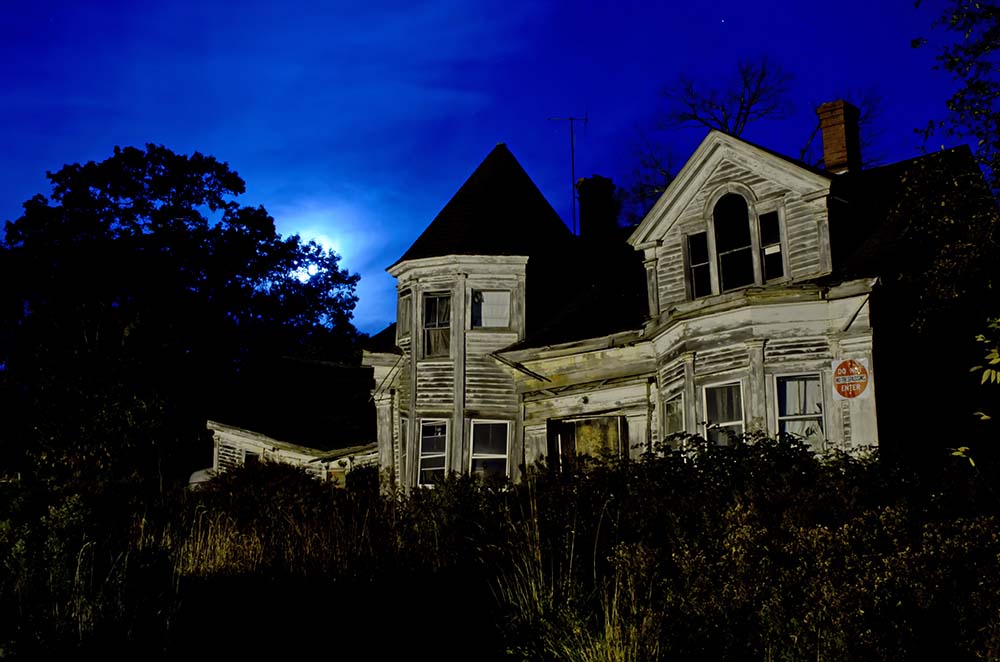
The Searsport house under a full moon
Here’s a more recent edit of the Searsport house photo shoot. I know Photoshop has a bad rep from all the  over-edited and distorted images that are out there, but it really is a digital darkroom, and using it takes skill and practice. When I first started taking photographs, I thought I needed to get it right in the camera. Then I read Ansel Adams’ book, Examples, and realized that half the work he did to achieve a great photo was done in the darkroom. If Ansel Adams, who I think everyone agrees was a great artist and a technical master, needed to lighten parts of a print and darken others, then I don’t feel so guilty about needing to do that, too. It feels less like cheating and more like part of a process. A perfect photo right out of a digital camera is as rare as a perfect one out of a film camera. Now my goal is to get my digital photo as good as I can in-camera, and learn to use the digital darkroom tools more gracefully. The more I learn, the better my images look.

P.S. Right now I use Photoshop Elements, and have just bought Lightroom.

P.P.S. I don’t get any commissions for mentioning this.

Share

The Woodland series No.3

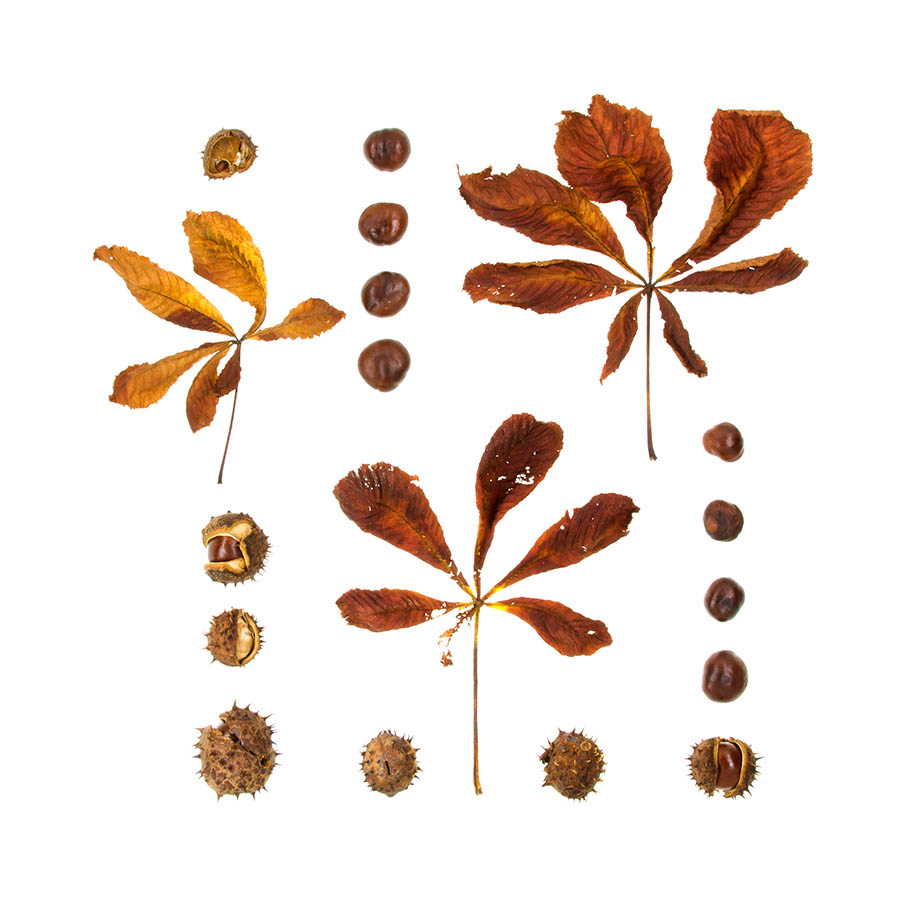
Horse Chestnuts, Ledgelawn Avenue, Bar Harbor, Maine; September 28, 2011” (Woodland series No.4)

When I was little, I used to fill my pockets with horse-chestnuts. I loved the smooth feel of the glossy nuts, and was always surprised and disappointed when they shriveled up. It still surprises me. They seem so solid, more like wood than a fruit, and watching one pucker up like a raisin feels so strange.

Share

The Searsport House

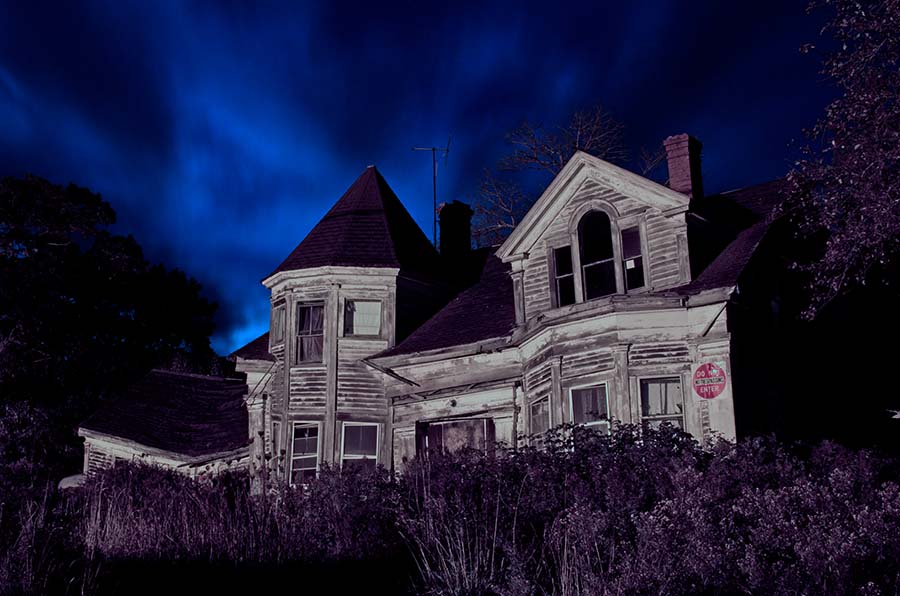
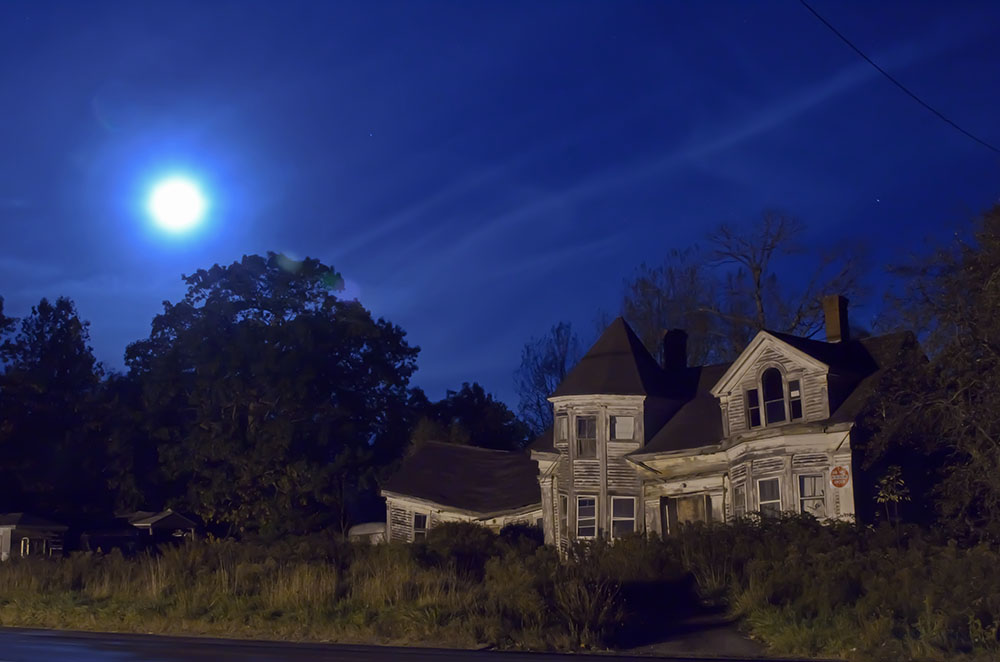
There’s an old house just north of Searsport, Maine, that I’ve been watching decay slowly for the last 20 years. When I first saw it, I dreamed of rescuing it, restoring the fanciful dormers, polishing the wood floors … no question now that it’s too late for rescue. Now it is a waiting game – how long before the ell’s roof caves in completely? When I drove past it last month after taking the show down in Portland it occurred to me that it is now a classic haunted house, and I began to wonder where the full moon would sit in the sky near it.

I have a neat little app on my iPad called LightTrac, which shows you the location and angle of sunrise/sunset and moonrise/moonset for any given date.

 I did my best to figure out my haunted house’s location on Google maps, and got the moon angles for the next full moon, which was October 11. Using LightTrac, I decided the moon would most likely be close enough to the house to photograph around 5am. So I lured another photographer along with the promise of unique lighting, and we left the island at 3:30 in pursuit of the full moon. (Next time, the rainbow?)

Found it, too. Unfortunately, there’s a car dealership across the street that is not a member of the Dark Skies school of thought. They banish shadows from their lot with sodium streetlights, which cast a garish yellow orange glow over my lovely ruin. NOT what I had hoped for. On the other hand, the facade was certainly well-lit.

I learned a good deal about color-correction in Photoshop while working on these shots. I also learned that there is an amazing amount of traffic on Route 3 at 5am. Seriously. I started out trying to take shots from across the street, to get the moon in the shot with the house. I was doing 25 second exposures, and I only managed to get one in which a car did not come through and leave a red line of taillights across the image. That means there was a car or truck at least every 25 seconds. Fortunately the headlamp I had with me has a red setting (which I like because it helps keep your night-vision), so I kept the light on and facing the road, so the drivers wouldn’t have any excuse for flattening me. Or my tripod! So if you drove through Searsport around 5 in the morning last week and saw two dark figures lurking in the shadows with suspicious equipment and a lurid red light, that was me!

Share

Today I Ironed Leaves

I found these beautiful, lacy things on an afternoon walk through Glen Mary Park. They were curled and crumpled in damp piles, so I brought them home and tried to flatten them for a photograph.

 They resisted, so I ironed them.

First with steam, because I was afraid they would crumble, then with a dry iron because the steamed leaves curled as they cooled off.

I did pause at one point and think, “I am ironing leaves. Most people don’t iron leaves.” At least I didn’t say it out loud, because I would have been talking to myself and that would really be kind of, you know, weird.

Share

Beach Plant Class

About a week and a half ago I drove down to the Coastal Maine Botanical Gardens in Boothbay Harbor for a class on wild beach plants. It was well worth the drive! Our teacher was Melissa Cullina, formerly of the New England Wildflower Society in Massachusetts, who not only showed us how to identify the plants, but told us about their cultural histories, reading us poetry, excerpts from colonial diaries, and talking about the various botanists who came from Maine as if they were personal relatives. It was charming and enlightening, and the time went quickly. We spent four hours in two very different habitats – the first was a marshy wooded shoreline and the second was a rocky headland. The sun was intense and straight overhead, so the photos I took during the class are so overexposed or flat that they are barely even educational, so I’m not including many.

Here are my favorite tidbits from the class:

1. Rushes are Round and Sedges have Edges. (That’s very helpful, you should remember that, too.)
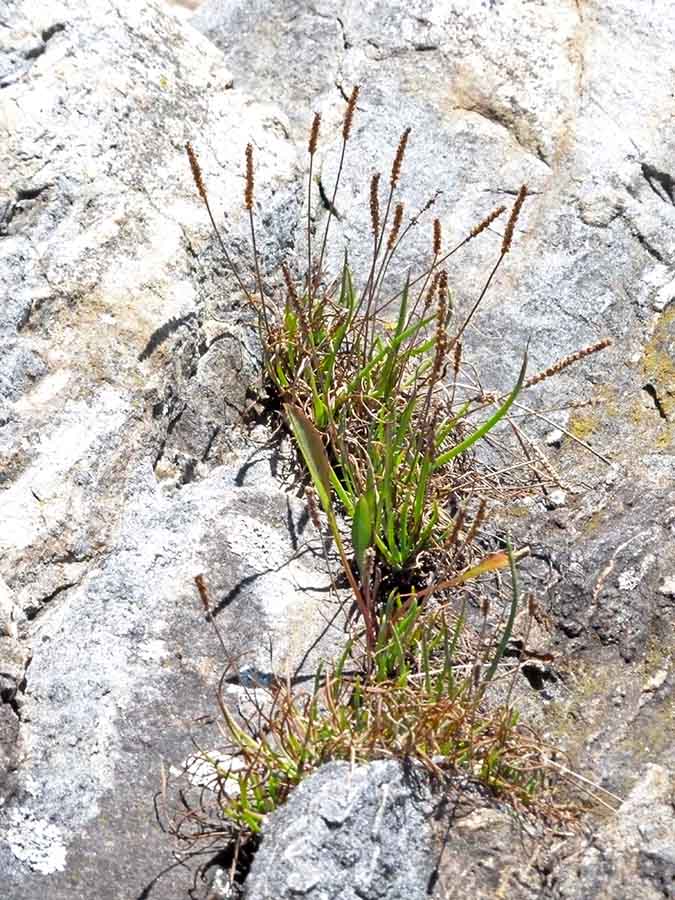
2. Plantago maritima – a plant I see all the time. I finally know its name! If you’ve ever been introduced to someone at a party who previously you had seen around town but not known, it is a similar feeling. Ah, so that’s who you are!  Early sailors in this area used this as a salad green. One of my classmates tasted it and said it was salty. No surprise there.

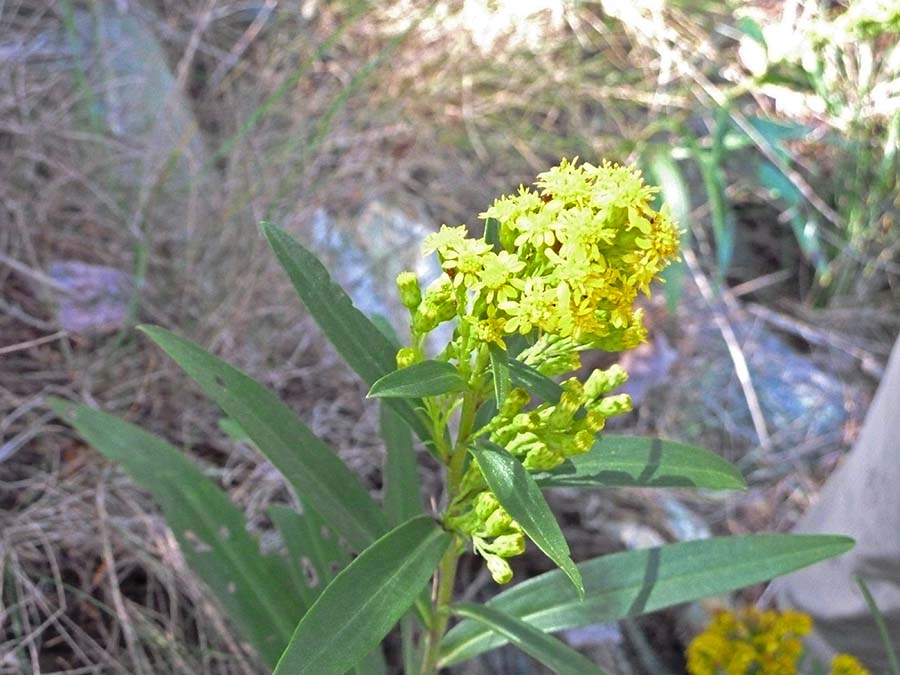
3. Seaside Goldenrod (Solidago maritima) – note that the leaves have smooth edges, while most (non-seaside) goldenrod have toothy leaves. I see this one everywhere, too. They are blooming now, and look very picturesque clinging to the rocks by the ocean.
4. The Plants of Acadia National Park is an incredibly useful book, with much better pictures than the ones I snapped on the run. It covers all the plants we discussed during this class, and I plan to order it and take it down to the shore for a class review.
5. There are a variety of ways that plants cope with a saltwater environment. Some salt-tolerant plants keep the high salt concentration from interfering with respiration by storing it in their protoplasm, which keeps the water flowing through membranes.  Succulent plants store lots of fluid which dilutes the salt concentrations. And still other plants drop their leaves when the salt in them gets too concentrated. Some native grasses, like Spartina, actually exude the salt through special glands.

If you live north of Boston and haven’t been to the Botanical Garden yet, make a point of it. It was a bit of a drive for me (three hours) but then, living where I do just about everything is a long drive. I’ll leave you with one last photo from the gardens:
Share

The Woodland series

Glen Mary Park, Bar Harbor, Maine; September 16, 2011 (Woodland series No.2)

A new project for your entertainment and edification – voila, the Woodland series! I expect it to get more colorful as autumn progresses, and then very monochromatic during the winter. The Beachcombing series will continue, never fear, but I’ve already been surprisingly single-minded about pursuing it for the last year. I also want to pay close attention to ice as winter comes. I don’t know if you remember some of the close-ups I did last year, but I’m planning to work more on that. For once I’m really looking forward to the first deep freezes! So that’s three series to juggle through the next two seasons. I’m also developing a set of holiday cards … hope to have them ready to show you by the end of the month.

The Long and Winding Road, Bar Harbor, Maine; April 21, 2010 (Woodland series No.1)

(And yes, there really is a Long and Winding Road here in Bar Harbor. It is in the village of Eden.)

Share